JPMorgan expects 300,000 US humanoid robots a year by 2030
A JPMorgan report projects US humanoid output of 300,000 to 400,000 units in 2030, rising to 1.5 million by 2035, though supply limits could slow the ramp.
JPMorgan has published a report forecasting that American factories will build between 300,000 and 400,000 humanoid robots in 2030. The bank sees that figure climbing to 1.5 million by 2035. It says the market is moving past the demo stage and into wider commercial use, pushed by worker shortages, better cost calculations and more manufacturing capacity. The main uses are in factories, logistics and warehouses, as reported by FOX 4 News Dallas-Fort Worth.
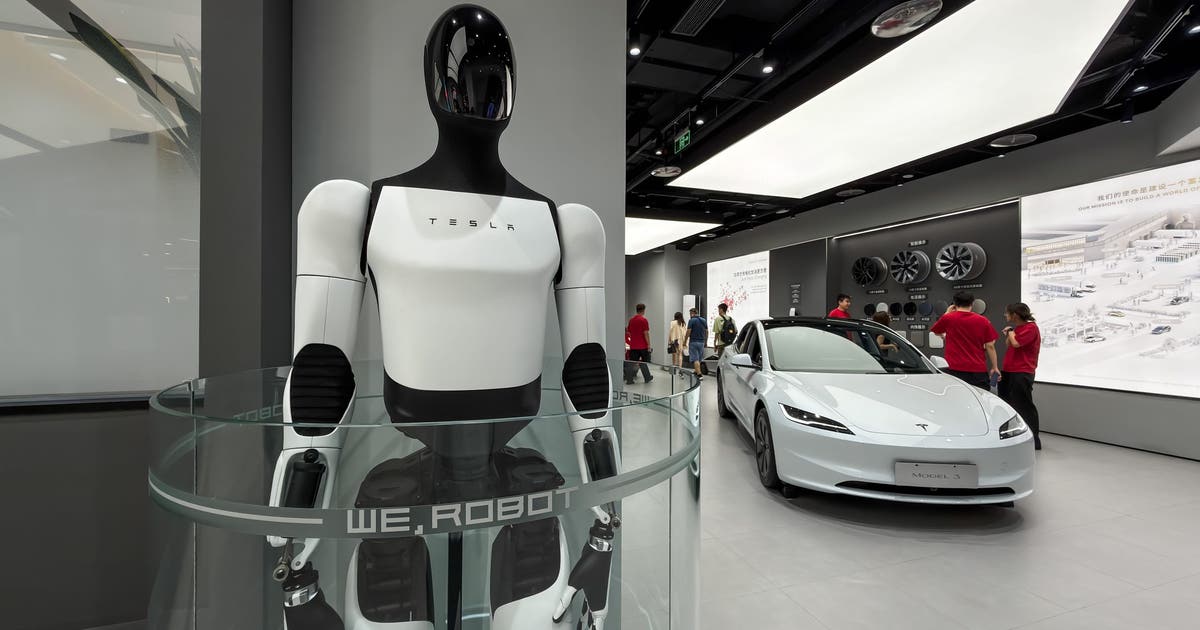
The bank named five platforms as the leading US designs: Tesla's Optimus, Digit from Agility Robotics, Atlas from Boston Dynamics, the humanoids made by Figure AI, and Apollo from Apptronik. Outside Tesla, most of these developers are aiming for yearly output of 10,000 to 30,000 robots. JPMorgan warned that growth could be held back by the availability of hardware, data to train AI, computing power and plant output. In its words, the tightest points today are hands, actuators, the control software that acts as the robot's brain, and production capacity.
Why it matters
The forecast is a bank's estimate, not a company commitment, and none of the five makers has confirmed matching targets. JPMorgan also pointed to the Trump administration's finding that imported robots and industrial machinery threaten national security. That could lead to tariffs or other steps meant to favor domestic production. Watch for whether such measures appear, and whether parts like hands and actuators become easier to source.