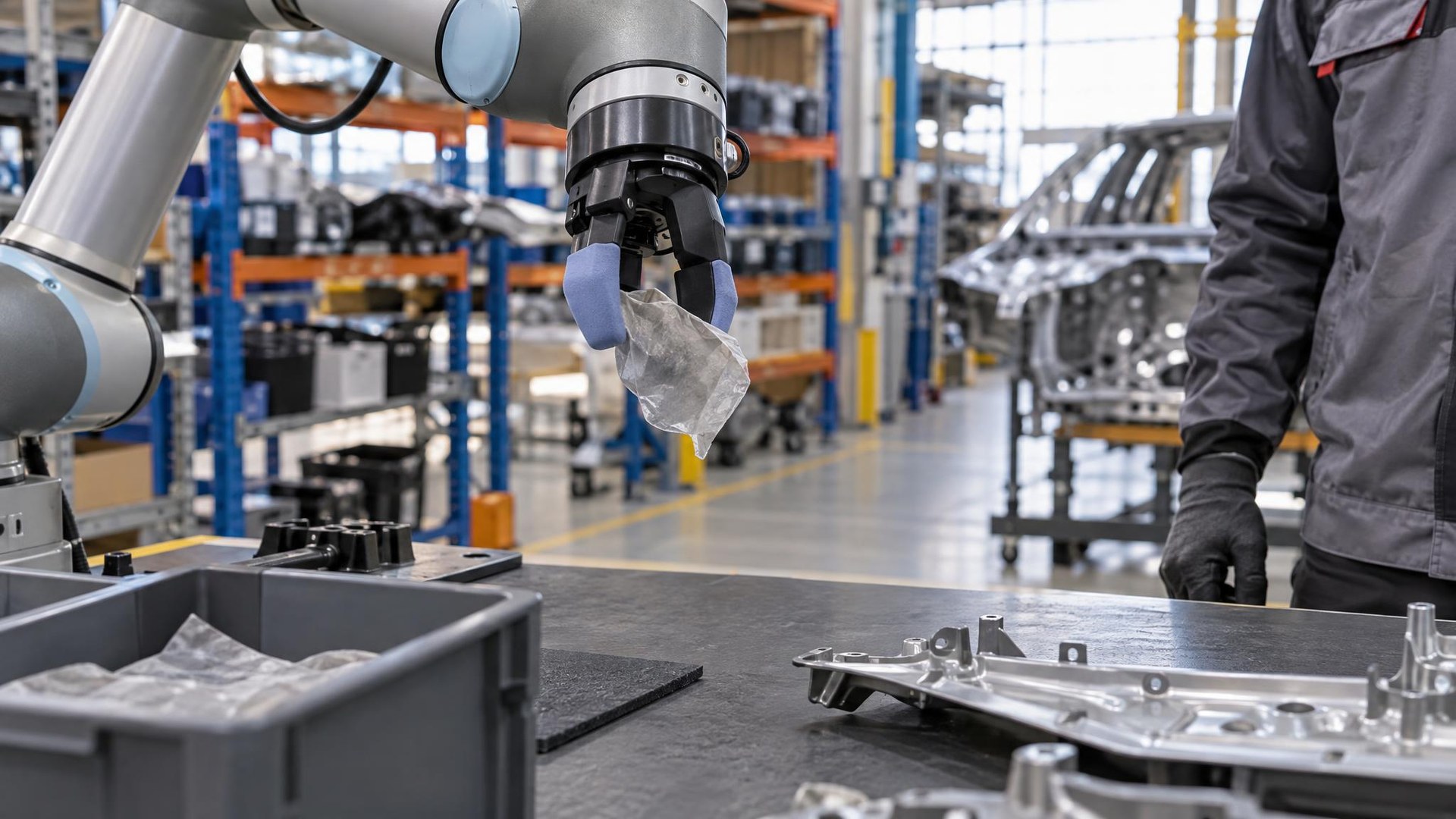
India's IITs plan 6,000 new seats in robotics, physical AI and space engineering
The Indian Institutes of Technology will add about 6,000 places in robotics, physical AI and space programmes, phased in over eight to ten years. The first students start in 2027.
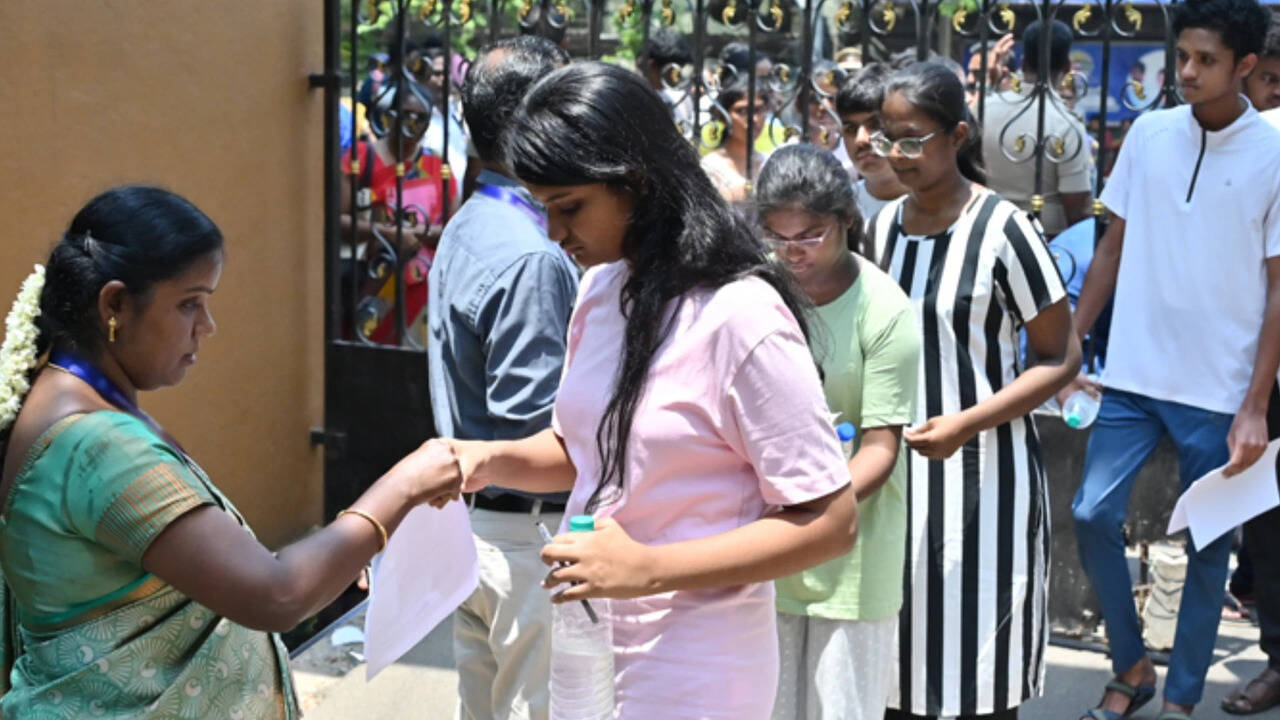
The Indian Institutes of Technology plan to add about 6,000 seats in specialised programmes for robotics, physical AI and space engineering, Education Times reports. The first students are expected to enrol in 2027, and the full expansion will be phased in over eight to ten years. It is being done together with the Bhupat and Jyoti Mehta Family Foundation. Of the new seats, 5,000 are for robotics and physical AI: 2,500 bachelor's, 1,200 master's and 1,300 PhD positions. The other 1,000 are for space engineering.
The robotics programmes will combine mechanical and electrical engineering with software, machine learning, computer vision and control. Research topics include humanoid and legged robots, swarm robotics and soft robotics. The curriculum is meant to reflect conditions in India, such as heat, dust, unreliable power and tight budgets. Named uses include farm automation, rural healthcare and robots for small manufacturers. Students will do a paid industry semester and are also expected to study what automation does to jobs and inequality.
Why it matters
Most robotics news is about machines and money. This is about people. Robot makers in every country say they cannot find enough engineers, and 1,300 PhD places is a large number for one field. The plan is slow by design: the full 6,000 seats will take up to a decade to arrive, and the report does not say how much it will cost or which IITs take part.